
Earthquake Development

Introduction
Earthquakes are natural disasters that occur when there is a sudden release of energy in the Earths crust, resulting in seismic waves. These waves can cause the ground to shake violently, leading to widespread devastation. Understanding the development of earthquakes is crucial in minimizing their impact and ensuring the safety of communities in affected areas.
What Causes Earthquakes?

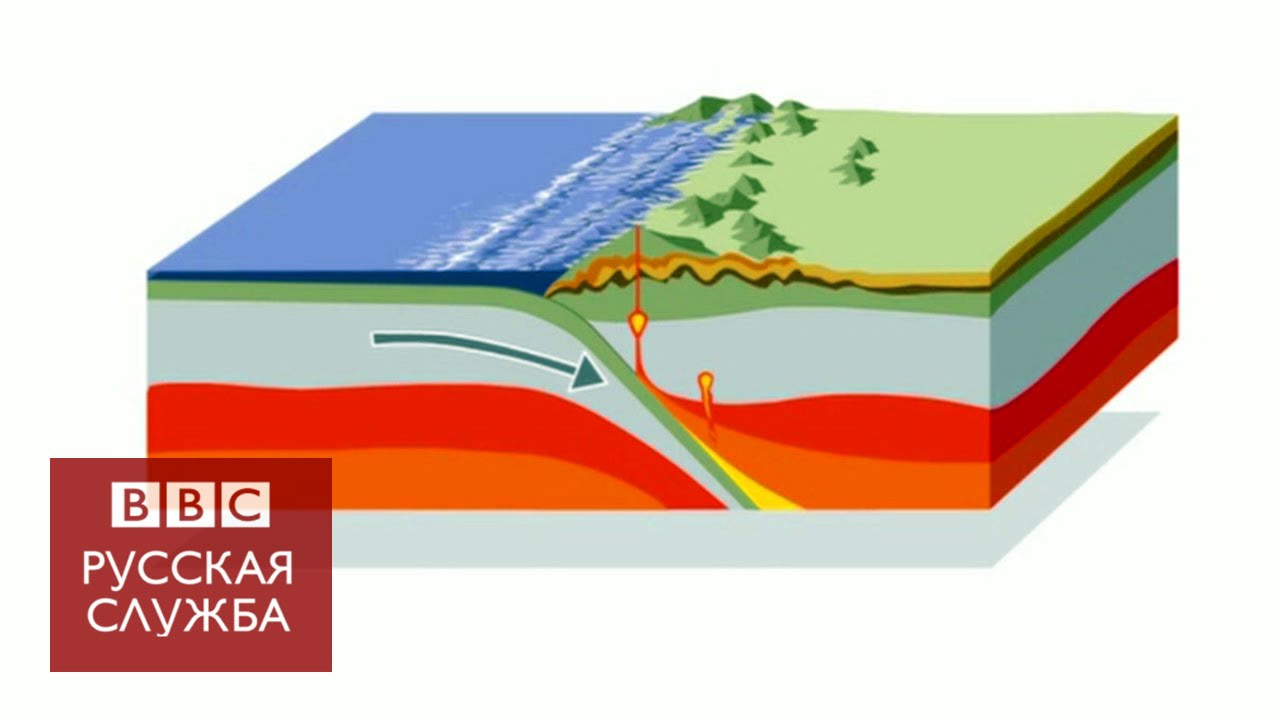
Earthquakes are primarily caused by the movement of tectonic plates, which make up the Earths surface. These plates are constantly shifting and colliding due to the underlying heat-driven convection currents in the mantle. When these plates get stuck at their boundaries due to friction, stress builds up over time, causing the rocks to deform.
Faults and Seismic Waves
The release of accumulated stress along faults is what triggers earthquakes. Faults are fractures in the Earths crust where rocks on either side have moved relative to each other. There are three main types of faults:
Strike-slip faults
: These occur when rocks on either side of the fault move horizontally, sliding past each other. The San Andreas Fault in California is a famous example of a strike-slip fault.Normal faults
: These occur when rocks on one side of the fault move downward relative to the rocks on the other side. Normal faults are common in regions undergoing extension, such as the East African Rift Valley.Reverse faults
: These occur when rocks on one side of the fault move upward relative to the rocks on the other side. Reverse faults are common in regions undergoing compression, such as the Himalayas.
When stress on a fault exceeds the strength of the rocks holding it together, it ruptures and produces seismic waves. These waves propagate through the Earth, causing the ground to shake during an earthquake.
Measuring Earthquakes
Scientists use various techniques to measure and quantify earthquakes. The two most commonly used parameters are magnitude and intensity.
Magnitude
: Magnitude is a measure of the amount of energy released during an earthquake. It is determined using seismographs, which detect the amplitude of seismic waves. The most well-known magnitude scale is the Richter scale, although the moment magnitude scale (Mw) is now widely used.Intensity
: Intensity measures the effects of an earthquake on the Earths surface and human-made structures. The Modified Mercalli Intensity (MMI) scale is commonly used to assess the intensity of ground shaking at specific locations.
The Earthquake Process

The process of an earthquake can be divided into four stages:
Stage 1: Elastic Rebound
During this stage, stress accumulates along a locked fault as tectonic plates continue to move. Rocks on either side of the fault remain stuck, deforming elastically as stress builds up.
Stage 2: Rupture
Once the accumulated stress overcomes the strength of the rocks, the fault ruptures along its entire length or in segments. This sudden release of energy generates seismic waves that radiate outwards from the epicenter.
Stage 3: Propagation
Seismic waves propagate through the Earth, causing the ground to shake. These waves can be classified into two main types:
Primary waves (P-waves)
: These are the fastest waves and can move through solids, liquids, and gases. They cause a back-and-forth motion in the direction of wave propagation.Secondary waves (S-waves)
: These waves are slower than P-waves and can only move through solids. They cause a side-to-side shaking motion perpendicular to the direction of wave propagation.
Stage 4: Aftershocks
After the mainshock (the largest earthquake in a sequence) occurs, smaller earthquakes called aftershocks follow. Aftershocks can continue for weeks, months, or even years after the mainshock.
Mitigating the Impact of Earthquakes
Given the destructive potential of earthquakes, it is essential to take measures to mitigate their impact. Here are a few approaches:
Building codes and regulations
: Implementing and enforcing strict building codes can ensure that structures are designed to withstand seismic forces. Это включает в себя использование гибких материалов, усиление фундамента и включение сейсмических демпферов.Системы раннего оповещения
: Достижения в области технологий позволили разработать системы раннего предупреждения о землетрясениях. Эти системы обнаруживают начальные, менее разрушительные P-волны и предупреждают людей в пострадавших районах, позволяя им искать укрытие и принимать необходимые меры предосторожности.Образование и подготовка
: Просвещение населения о рисках землетрясений и мерах по обеспечению готовности может спасти жизни. Это включает в себя обучение людей тому, как падать, укрываться и держаться во время землетрясения, а также готовить аварийные комплекты.
Заключение
Землетрясения – это природное явление, которое может иметь разрушительные последствия. Понимая процесс развития землетрясений и реализуя эффективные стратегии смягчения последствий, мы можем минимизировать воздействие на жизнь и инфраструктуру. Крайне важно продолжать исследования и инвестировать в технологии, которые расширяют нашу способность предсказывать, обнаруживать землетрясения и эффективно реагировать на них.
Часто задаваемые вопросы

Вопрос 1: Можно ли точно предсказать землетрясения?
A1: Ученые и исследователи постоянно изучают землетрясения, чтобы улучшить методы прогнозирования. Хотя мы добились прогресса в понимании рисков землетрясений, точное краткосрочное предсказание землетрясений остается серьезной проблемой.
Вопрос 2: Как долго обычно длятся землетрясения?
A2: Продолжительность землетрясения может варьироваться в зависимости от различных факторов, таких как магнитуда и расстояние от эпицентра. Как правило, большинство землетрясений длятся всего несколько секунд, но при более сильных землетрясениях тряски могут длиться несколько минут.
Вопрос 3: Все ли землетрясения вызваны тектонической активностью?
A3: Хотя большинство землетрясений вызвано тектонической активностью, некоторые из них могут быть результатом извержений вулканов, подземных взрывов или даже деятельности человека, такой как добыча полезных ископаемых и сейсмичность, вызванная водоемами.
Вопрос 4: Есть ли какие-либо предупреждающие знаки перед землетрясением?
A4: К сожалению, не существует надежных предвестников землетрясений, которые могли бы точно предсказать землетрясения. Некоторые отдельные сообщения предполагают необычное поведение животных или изменения уровня грунтовых вод, но эти признаки не являются надежными индикаторами с научной точки зрения.
Вопрос 5: Какое землетрясение было самым сильным из когда-либо зарегистрированных?
A5: Самым сильным землетрясением, когда-либо зарегистрированным, было землетрясение в Вальдивии в 1960 году в Чили с предполагаемой магнитудой 9,5 по моментной шкале магнитуд. Это остается самым мощным землетрясением, когда-либо зарегистрированным.